Why Are My Gums Bleeding When I Floss? (And How to Fix It)
Why Are My Gums Bleeding When I Floss? (And How to Fix It)
Noticing a splash of red or pink in the sink when you floss can be alarming. You might ask yourself: Am I flossing too hard? Is this a sign of something worse? Should I stop flossing altogether?
If you are experiencing this, you are not alone. Many adults over 40 notice their gums tenderly bleeding during their daily cleanings. While it is incredibly common, it is not something you should ignore. Bleeding gums are your mouth's way of sending an SOS.
Fortunately, in most cases, this issue can be easily reversed. By understanding why your gums are bleeding when flossing and taking simple, targeted steps, you can restore your mouth to perfect health.
---
Key Takeaways: Why Your Gums Bleed & How to Stop It
- It Is Common, But Not Normal: Healthy gums do not bleed. If they do, it is usually a sign of mild inflammation.
- The Main Culprit is Plaque: Soft, sticky plaque builds up along your gumline. If it is not removed, it irritates the delicate tissues.
- Don't Stop Flossing: Stopping will actually make the buildup worse. Gentle, consistent flossing is key.
- Balance Your Oral Microbiome: Your mouth needs "good" bacteria to fight off the harmful bacteria that cause inflammation and bleeding.
- When to See a Dentist: If the bleeding continues after 7 to 10 days of consistent, gentle oral care, seek a professional evaluation.
---
Table of Contents
1. Is It Normal for Gums to Bleed When Flossing?
2. The Primary Causes of Bleeding Gums
3. Early Signs of Gingivitis to Look Out For
4. How to Stop Bleeding Gums: Step-by-Step Guide
5. Pros and Cons of Common Remedies
6. Supporting Your Oral Health From Within
---
Is It Normal for Gums to Bleed When Flossing?
The short answer is: no. It is not normal for your gums to bleed when flossing.
Think of it this way: if your hands bled when you washed them, you would immediately know something was wrong. Your gums are no different. Healthy gum tissue is firm, pale pink, and fits snugly around your teeth. It should easily withstand gentle brushing and flossing.
However, experiencing bleeding gums despite brushing and flossing daily is a sign that bacteria are lingering. This triggers a mild inflammatory response, making the blood vessels in your gums fragile and prone to bleeding at the slightest touch.
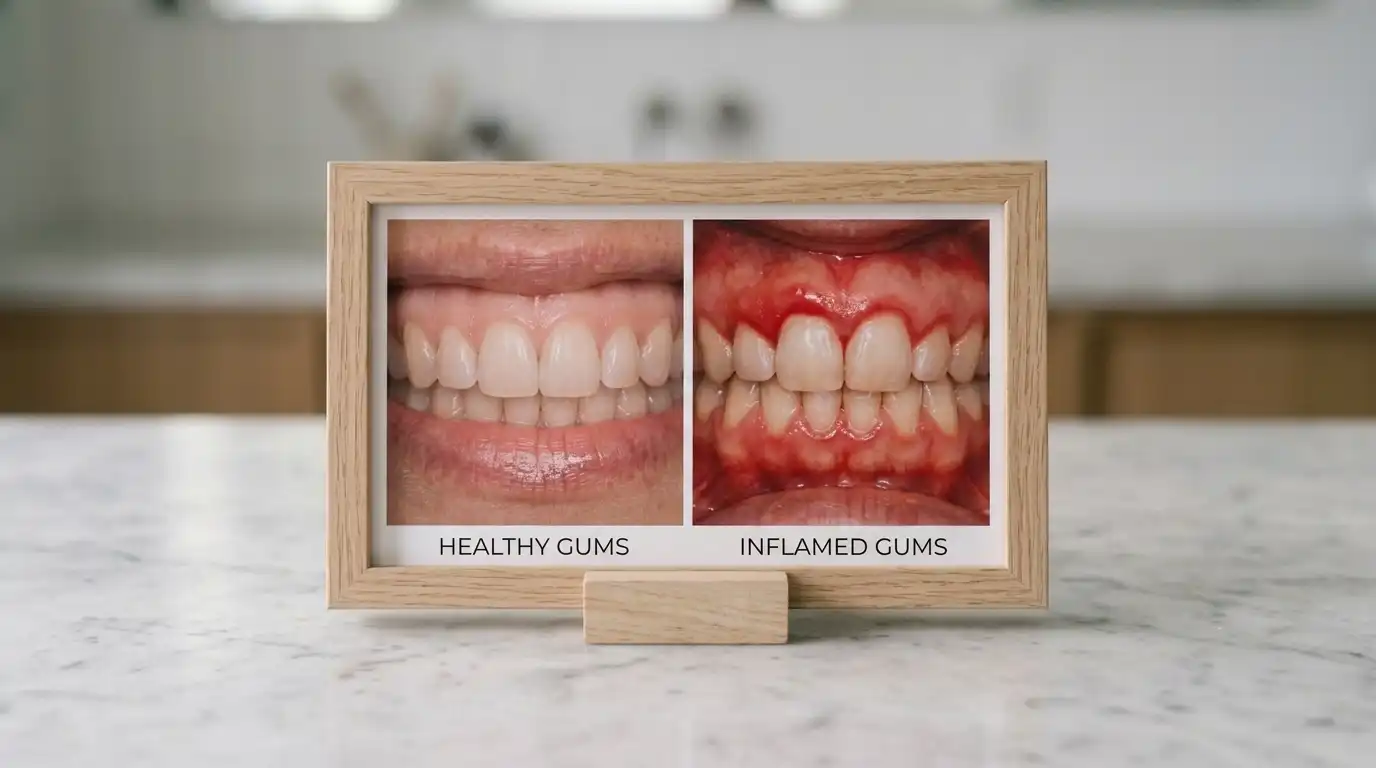 Healthy Gums vs Inflamed Gums
The Primary Causes of Bleeding Gums
Understanding the exact cause of your bleeding gums is the first step toward fixing the problem. Here are the most common reasons:
1. Plaque and Tartar Buildup
Every day, a sticky film of bacteria called plaque forms on your teeth. If plaque is not thoroughly cleaned away, it hardens into tartar. This rough substance can only be removed by a dentist. Both plaque and tartar release acids and toxins that irritate the gums, leading to swelling and bleeding.
2. Rough Flossing Habits
Sometimes, the issue isn't what you are doing, but how you are doing it. If you snap the floss down hard between your teeth, you can physically cut the sensitive gum tissue. Flossing requires a gentle, scraping motion rather than a sawing or chopping motion.
3. An Imbalanced Oral Microbiome
Your mouth is home to billions of bacteria. Some are harmful, but many are beneficial. When the "good" bacteria are wiped out—often by harsh, alcohol-based mouthwashes or synthetic toothpaste—the harmful bacteria take over. This imbalance, known as dysbiosis, is a primary driver of gum irritation and bad breath. Supporting your system with foods for healthy oral microbiome can help restore this balance naturally.
4. New Flossing Routines
If you have not flossed in a while and suddenly start, your gums will likely bleed for the first few days. This is normal. As the plaque is cleared away and the tissues adapt, the bleeding should stop within a week.
---
Early Signs of Gingivitis to Look Out For
Bleeding is often one of the first early signs of gingivitis (mild, reversible gum disease). If left untreated, gingivitis can progress to periodontitis, which can cause permanent damage to the bone supporting your teeth.
Keep an eye out for these companion symptoms:
| Symptom | What It Looks Like | Why It Happens |
|---|---|---|
| Redness | Gums look bright red or purple instead of pale pink. | Increased blood flow trying to fight off local bacteria. |
| Swelling | Gums look puffy, rolled, or bloated near the tooth line. | Fluid accumulation from the body\'s inflammatory response. |
| Persistent Bad Breath | A constant bad taste or odor that brushing won\'t cure. | Smelly sulfur gases produced by breeding bacteria [1]. |
| Tenderness | Gums feel sore or sensitive when eating hot, cold, or sweet foods. | Exposed or irritated nerve endings in inflamed tissue. |
If you notice these signs, do not panic. Gingivitis is entirely reversible with the right approach.
---
How to Stop Bleeding Gums: Step-by-Step Guide
Ready to get your gums back to their healthy, pink state? Follow this daily roadmap:
Step 1: Use the "C-Shape" Flossing Technique
Do not force the floss directly down into your gums. Instead, gently slide the floss between your teeth. Once it reaches the gumline, bend it into a "C" shape around one tooth. Gently slide it up and down against the side of the tooth, then repeat on the adjacent tooth. This removes plaque without cutting your gums.
Step 2: Switch to a Soft-Bristled Toothbrush
Stiff bristles can wear down enamel and tear up your gums. Use a soft or extra-soft bristled toothbrush. Brush gently at a 45-degree angle toward the gumline twice a day.
Step 3: Stop Using Harsh Mouthwashes
Many commercial mouthwashes contain high amounts of alcohol. While this kills bad bacteria, it also kills the beneficial bacteria that keep your mouth healthy. Choose alcohol-free rinses or skip mouthwash altogether in favor of warm salt-water rinses.
Step 4: Feed Your Mouth Good Bacteria
To permanently stop the cycle of inflammation, you need to crowd out the bad bacteria. Eating prebiotic-rich foods and supplementing with target-specific oral probiotics can help build a healthy, resilient mouth environment [2].
---
Pros and Cons of Common Remedies
When trying to fix bleeding gums, you have a few options. Let\'s look at how they stack up:
Alcohol-Based Antiseptic Mouthwash
- Pros: Instantly kills bacteria; provides temporary fresh breath.
- Cons: Extremely drying; kills helpful bacteria; can cause burning sensations.
Daily Salt Water Rinses
- Pros: Natural; inexpensive; highly effective at reducing swelling.
- Cons: Cannot be used long-term (may soften enamel over time if used daily for months).
Natural Oral Probiotics
- Pros: Targets the root cause of gum inflammation; repopulates beneficial bacteria; promotes natural whitening.
- Cons: Takes a few weeks of daily use to see full results.
---
Supporting Your Oral Health From Within
While brushing and flossing are vital for cleaning the outside of your teeth, your oral health is largely determined by what happens on the inside. Modern dental research shows that individuals with healthy gums naturally have a high population of beneficial bacteria in their saliva [3].
Unfortunately, many everyday products—like toxic ingredients found in common toothpastes—can destroy these helpful microbes.
To help naturally restore this delicate balance, many dental specialists now suggest incorporating a high-quality oral probiotic into your morning routine.
Introducing ProDentim
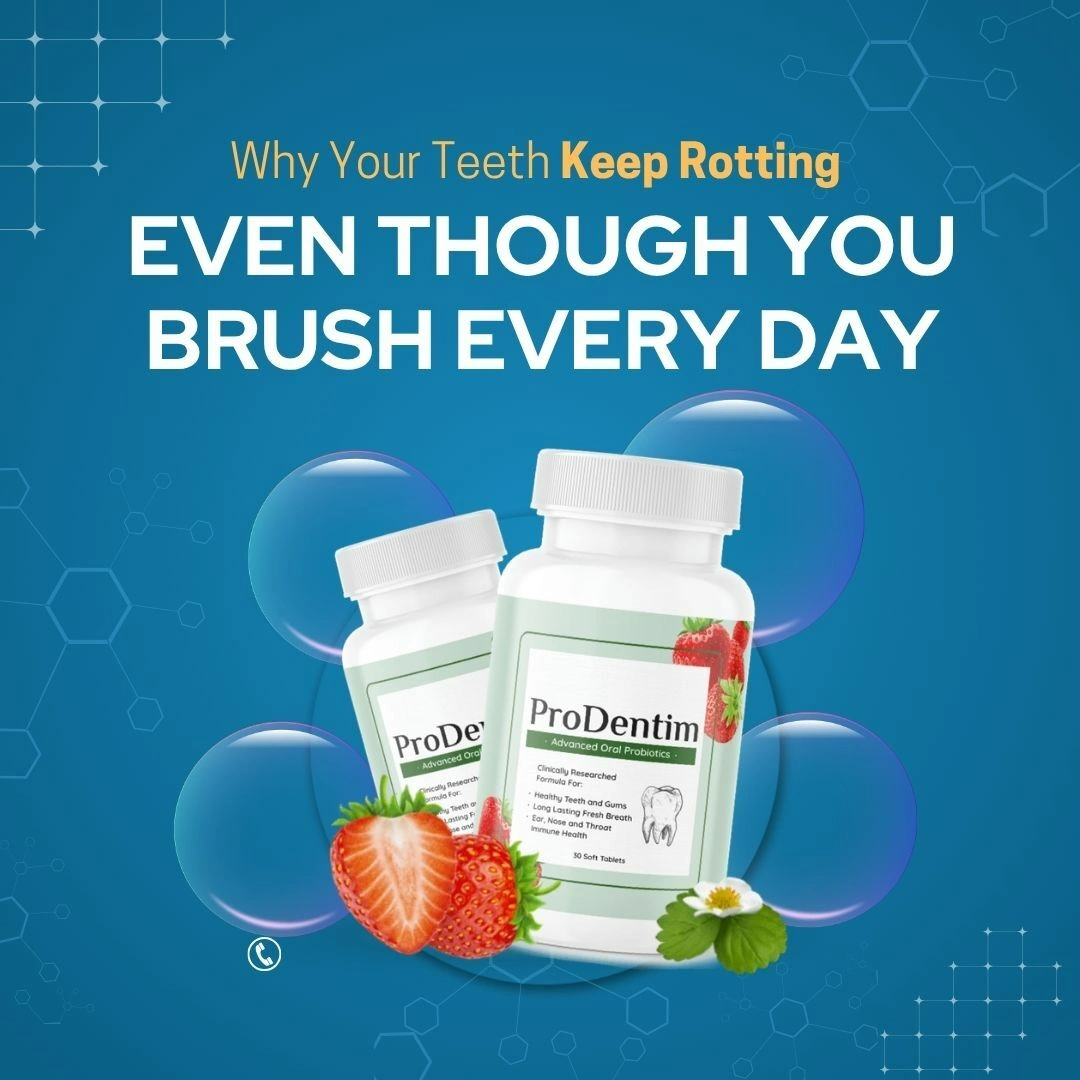
ProDentim is a doctor-formulated chewable tablet designed specifically to repopulate your mouth with good bacteria. It features a unique blend of 3.5 billion probiotic strains alongside essential nutrients backed by clinical research.
 Image
ImageKey Benefits of ProDentim:
- Restores Microbiome Balance: Floods your mouth with 3.5 billion beneficial bacteria to build a natural defense system against inflammation.
- Key Clinical Strains: Includes Lactobacillus Paracasei (supports gum health and keeps sinuses free) and B.lactis BL-04® (supports the respiratory tract and immune system).
- Reduces Gum Irritation: Powered by Lactobacillus Reuteri, which helps target inflammation and creates an optimal environment for your teeth and gums.
- Supports Whiteness and Strength: Contains Inulin to feed good bacteria and Malic Acid (from strawberries) to help maintain tooth whiteness.
- Safe and Clean Formula: 100% natural, non-GMO, gluten-free, stimulant-free, and manufactured in an FDA-approved sterile facility.
It is an easy, delicious chewable tablet you take every morning. Plus, it is backed by an ironclad 60-day 100% money-back guarantee. If you don\'t notice your gums feeling healthier, stronger, and less prone to bleeding, you can request a full refund—no questions asked.
👉 Click Here to Claim Your Supply of ProDentim and Support Your Gums Naturally
---
Frequently Asked Questions
How long does it take for gums to stop bleeding after flossing?
If you have just started flossing regularly, or if you have adjusted to a gentler technique, your gums should stop bleeding within 7 to 10 days. If the bleeding persists beyond two weeks, consult your dentist.
Should I stop flossing if my gums bleed?
No! This is a very common mistake. Stopping flossing allows plaque to build up even further, which increases inflammation and makes the bleeding worse. Continue flossing daily, but use a much gentler, slow approach.
Can vitamin deficiencies cause bleeding gums?
Yes. Severe deficiencies in Vitamin C (which helps heal tissues) or Vitamin K (which helps blood clot) can contribute to bleeding gums. Eating a balanced diet rich in leafy greens and citrus fruits supports overall gum strength.
When should I see a dentist about bleeding gums?
Make an appointment if your gums bleed heavily every time you brush or floss, if the bleeding does not improve after two weeks of consistent cleaning, or if your gums appear to be pulling away (receding) from your teeth.
---
Summary & Next Steps
Bleeding gums when flossing is a clear warning sign that plaque is irritating your gum tissue, often driven by an imbalanced oral microbiome.
Fortunately, you can take control of your oral health starting today. Switch to a soft brush, adopt the gentle "C-shape" flossing method, and focus on supporting the healthy bacteria in your mouth. By combining great daily habits with internal support like ProDentim, you can enjoy a brighter, healthier smile free from bleeding and discomfort.
---
References
- [1] National Institutes of Health (NIH). The Oral Microbiome and Its Role in Oral Diseases. [https://www.ncbi.nlm.nih.gov/pmc/articles/PMC8231575/]
- [2] Journal of Oral Microbiology. Probiotics for the Management of Periodontal Disease. [https://www.tandfonline.com/doi/full/10.1080/20002297.2021.1925345]
- [3] Harvard Health Publishing. The mouth-body connection: Can oral health predict heart disease? [https://www.health.harvard.edu/diseases-and-conditions/the-mouth-body-connection]

Written by Elena Navarro
Elena writes practical nutrition guides inspired by her work with multicultural families, focusing on realistic healthy eating rather than restrictive diets.
More about the author →