How to Whiten Sensitive Teeth Naturally Without Damaging Enamel
How to Whiten Sensitive Teeth Naturally Without Damaging Enamel
Many of us dream of having a bright, white smile. However, if you suffer from tooth sensitivity, traditional whitening products can feel like torture. The sharp, shooting pains that come from harsh bleaching strips or bleaching gels are often too much to bear.
Fortunately, you do not have to choose between a bright smile and pain-free teeth. You can achieve a brighter smile using gentle, natural methods that protect your protective outer layer, called enamel.
This guide will teach you how to whiten your teeth safely at home. We will cover natural whitening for sensitive teeth, why these methods work, and how to maintain your results without causing damage.
---
Key Takeaways for Sensitive Whitening
- Avoid Harsh Bleaches: Traditional peroxide-based whitening strips can penetrate the enamel, causing temporary or permanent nerve irritation.
- Try Malic Acid: Natural ingredients like strawberry and malic acid teeth whitening can gently lift surface stains without stripping your enamel.
- Support Your Oral Microbiome: A healthy balance of good bacteria prevents plaque buildup, which is a leading cause of yellowing.
- Remineralize Enamel: Always combine whitening efforts with habits that strengthen your teeth, such as using tricalcium phosphate.
---
Table of Contents
1. Why Traditional Whitening Hurts Sensitive Teeth
2. Safe Teeth Whitening at Home: Top Natural Methods
3. The Role of Your Oral Microbiome in Teeth Whiteness
4. Comparison of Natural Whitening Methods
5. Pros and Cons of Natural Whitening
6. How to Protect Your Enamel Daily
7. A Modern Approach to Oral Health and Brightness
9. References
---
Why Traditional Whitening Hurts Sensitive Teeth
To understand why whitening hurts, we first need to understand how our teeth are built.
Your teeth have a hard, protective outer layer called enamel. Underneath this enamel lies a softer, yellow layer called dentin. Dentin contains thousands of microscopic tubes that lead directly to the tooth's nerve center.
When your enamel wears down or gets thin, these tubes become exposed. This exposure is one of the primary causes of tooth sensitivity.
Traditional whitening products use strong chemicals like hydrogen peroxide. These chemicals sink deep into the enamel to break up stains. While this process works, it also temporarily opens up the microscopic tubes in your dentin. When cold air, hot coffee, or sweet foods hit these open tubes, they trigger the nerves, causing sharp pain.
For those with existing sensitivity, this chemical process can make the pain almost unbearable. That is why finding safe teeth whitening at home using natural, non-abrasive methods is so important.
---
Safe Teeth Whitening at Home: Top Natural Methods
If you want to brighten your smile without the pain, these gentle, natural remedies can help lift surface stains while keeping your enamel intact.
1. Strawberry and Malic Acid Teeth Whitening
One of the most popular and gentle methods involves strawberries. Strawberries contain malic acid, a natural organic compound that acts as a mild astringent. It helps break down surface stains caused by coffee, tea, and dark foods.
- How to use it: Mash one ripe strawberry into a soft pulp. Mix it with a tiny pinch of baking soda. Apply the mixture to your teeth using a soft toothbrush. Let it sit for no more than 2 to 3 minutes, then rinse thoroughly. Brush your teeth with your regular toothpaste afterward to wash away any remaining fruit sugars.
- Why it works: The malic acid gently dissolves surface discoloration, while the baking soda acts as a very mild polish. Because it is much weaker than dental bleach, it is highly tolerated by sensitive teeth.
2. Oil Pulling with Coconut Oil
Oil pulling is an ancient oral care practice. It involves swishing a tablespoon of organic oil in your mouth to pull out bacteria and food debris.
- How to use it: Put one tablespoon of organic, cold-pressed coconut oil in your mouth. Swish it around gently for 15 to 20 minutes. Do not swallow the oil. Spit it out into a trash can (to keep your plumbing clear) and rinse your mouth with warm water.
- Why it works: Coconut oil contains lauric acid, which naturally fights harmful bacteria. By reducing the buildup of plaque on your teeth, oil pulling helps prevent the yellow film that makes teeth look dull. It also naturally soothes irritated gums.
3. Baking Soda Brush (With Caution)
Baking soda is a natural whitening agent found in many commercial toothpastes. It has mild abrasive properties that scrub away surface stains.
- How to use it: Mix a tiny amount of baking soda with water to form a paste. Brush your teeth gently with this paste once or twice a week.
- Why it works: Baking soda creates an alkaline environment in your mouth, which stops harmful bacteria from multiplying. However, because it is slightly abrasive, you must brush gently to avoid wearing down your enamel.
---
The Role of Your Oral Microbiome in Teeth Whiteness
Many people do not realize that the secret to a bright, white smile starts with the microscopic environment inside your mouth. Your mouth is home to billions of bacteria. This community of bacteria is called your oral microbiome.
When you have plenty of good bacteria in your mouth, they create a natural shield. This shield keeps harmful, plaque-producing bacteria from taking over. Plaque is a sticky, yellowish film that clings to your teeth. If plaque is left on your teeth, it eventually hardens into tartar, which can only be removed by a dentist. Tartar is highly prone to staining and makes teeth look yellow.
By keeping your oral microbiome balanced, you can naturally prevent yellow plaque from forming. This makes it much easier to keep your teeth white. If you want to stop tooth decay naturally, supporting these beneficial bacteria is a crucial step.
---
Comparison of Natural Whitening Methods
| Method | Primary Ingredient | How It Works | Best For | Frequency |
|---|---|---|---|---|
| Strawberry Paste | Malic Acid | Gently dissolves organic surface stains. | Coffee & tea drinkers | 1-2 times per week |
| Oil Pulling | Lauric Acid (Coconut Oil) | Reduces plaque and washes away bacteria. | Gum health & daily shine | Daily |
| Baking Soda | Sodium Bicarbonate | Polishes away buildup with mild abrasion. | Tough surface stains | 1-2 times per week |
---
Pros and Cons of Natural Whitening
To help you decide if natural whitening is right for you, let us look at the advantages and disadvantages of these home methods.
Pros:
- No Pain: These methods do not irritate exposed dentin or trigger nerve endings.
- Affordable: Most ingredients can be found in your kitchen for a fraction of the cost of dental treatments.
- Overall Health Benefits: Methods like oil pulling support healthier gums and fresh breath.
- Enamel Safe: When used correctly, they will not strip or weaken your tooth enamel.
Cons:
- Slower Results: Natural methods take time. You will not get overnight results like you might with chemical bleaches.
- Subtle Whitening: These methods only remove surface stains. They cannot change the natural genetic color of your dentin.
- Requires Consistency: You must practice these habits regularly to maintain a brighter smile.
---
How to Protect Your Enamel Daily
Whitening your teeth is only half the battle. If you want to keep your smile bright and pain-free, you must actively protect your enamel from daily wear and tear. Here are a few simple tips:
1. Use a Soft-Bristled Toothbrush: Hard bristles can scrub away enamel over time, exposing the yellow dentin underneath.
2. Wait Before Brushing: Acidic foods like citrus fruits, tomatoes, and wine temporarily soften your enamel. Wait at least 30 minutes after eating acidic foods before you brush your teeth.
3. Stay Hydrated: Drinking plenty of water washes away food particles and stimulates the flow of saliva. Saliva is your mouth's natural defense mechanism, full of minerals that help rebuild enamel.
4. Avoid Toxic Dental Chemicals: Many commercial mouthwashes contain harsh chemicals that dry out your mouth and kill the good bacteria needed to protect your teeth.
---
A Modern Approach to Oral Health and Brightness
If you find it difficult to stick to a daily routine of oil pulling or strawberry masking, there is another way to support your oral health. Modern dental science suggests that repopulating your mouth with beneficial bacteria is key to keeping teeth clean, white, and strong.
This is where a specialized probiotic blend like ProDentim can assist. ProDentim is a unique, natural chewable tablet designed to flood your mouth with 3.5 billion beneficial probiotic strains and vital nutrients.
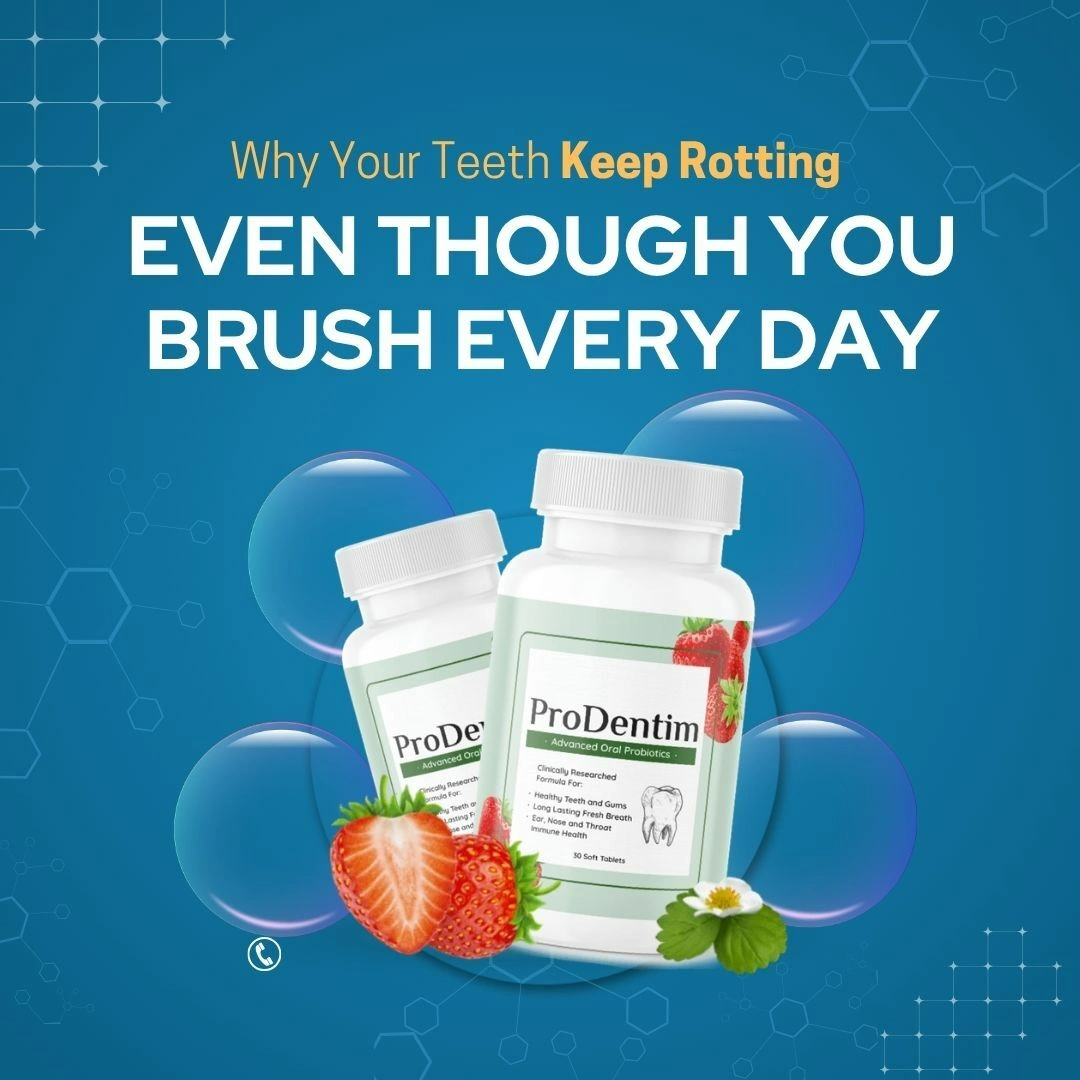
How ProDentim Supports a Brighter, Healthier Smile:
- Feeds the Good Bacteria: It contains natural prebiotics like Inulin to feed helpful bacteria, preventing the yellow plaque buildup that causes discoloration.
- Natural Stain Defense: It contains Malic Acid sourced from strawberries, helping to maintain natural tooth whiteness without the acidity of eating whole fruit daily.
- Strengthens Your Teeth: Formulated with Tricalcium Phosphate, it supports overall tooth health and enamel structure.
- Calms Inflammation: Ingredients like Peppermint and specific probiotic strains help soothe sensitive gums and reduce irritation.
ProDentim is 100% natural, non-GMO, gluten-free, and contains zero stimulants. It is a gentle, pain-free way to support your teeth and gums from the inside out.
Claim Your Supply of ProDentim Today and Support Your Smile Naturally
---
Frequently Asked Questions
How can I whiten my teeth if they are highly sensitive?
If you have very sensitive teeth, avoid chemical peroxides entirely. Instead, focus on natural methods like coconut oil pulling, which reduces stain-causing plaque, or gentle malic acid from strawberries. Always support your teeth with remineralizing minerals.
Does strawberry and malic acid teeth whitening actually work?
Yes. Malic acid acts as a mild organic cleanser that safely breaks up surface stains from dark foods and drinks. When paired with a soft brush and used consistently, it can brighten your teeth without damaging the enamel.
How long does it take to see results from natural whitening?
Because natural methods do not bleach the teeth chemically, results appear gradually. You will likely notice a cleaner mouth and slightly brighter teeth within 2 to 4 weeks of consistent use.
---
References
1. National Institutes of Health (NIH): The role of salivary minerals in protecting enamel and preventing sensitivity. [1]
2. Journal of Clinical and Diagnostic Research: Clinical efficacy of oil pulling with coconut oil on oral hygiene. [2]
3. American Dental Association (ADA): Evaluation of safety and effectiveness of mild natural acids for surface stain removal. [3]

Written by Elena Navarro
Elena writes practical nutrition guides inspired by her work with multicultural families, focusing on realistic healthy eating rather than restrictive diets.
More about the author →