How to Treat Swollen Gums Around One Tooth Successfully
Finding a spot of swollen, tender, or painful gums around a single tooth can be alarming. Unlike generalized gum soreness, localized gum inflammation is concentrated in one specific area. It can make eating, brushing, and speaking uncomfortable.
In this guide, you will learn why this localized swelling happens, how to treat it using simple at-home gum swelling remedies, and when it is time to seek professional dental care.
---
Key Takeaways
- Common Causes: Localized gum swelling is often caused by food debris, early gum disease (gingivitis), or a dental abscess.
- First-Line Home Remedies: Warm salt water rinses, cold compresses, and careful, gentle flossing can provide rapid relief.
- Warning Signs: Severe pain, throbbing, fever, or a visible pimple on the gums (fistula) require immediate dental attention.
- Long-Term Support: Balancing your oral microbiome with postbiotics can prevent recurring gum irritation and support natural healing.
Table of Contents
1. What Causes Swollen Gums Around One Tooth?
2. Immediate At-Home Gum Swelling Remedies
3. When to See a Dentist for Painful Swollen Gums
4. Professional Treatments for Localized Gum Inflammation
5. How Your Oral Microbiome Affects Gum Health
6. An Innovative Way to Support Your Gums and Teeth
7. Pros and Cons of Oral Postbiotics
What Causes Swollen Gums Around One Tooth?
To treat the swelling successfully, you must first understand what is triggering the reaction. Here are the most common reasons why you might experience localized gum inflammation:
1. Food Impaction
Sometimes, the simplest answer is the correct one. A tough piece of food, like a popcorn kernel, chip fragment, or fibrous meat, can get wedged between the tooth and the gum line. If it is not removed quickly, the body treats it as a foreign object, causing localized inflammation, redness, and mild pain.
2. Localized Gingivitis
Gingivitis is the earliest stage of gum disease. While it often affects the whole mouth, it can sometimes target just one area where plaque and tartar have built up heavily. If you have crowded teeth or a spot that is hard to reach with your toothbrush, bacteria will gather there, leading to swollen gums around one tooth.
If you also struggle with bad odors along with swelling, learning about the bad breath gum disease can help you identify if deeper structural issues are starting to develop.
3. Dental Abscess
A dental abscess is a localized pocket of pus caused by a bacterial infection. This can occur at the root tip (periapical) or in the gum tissue itself (periodontal). An abscess typically causes painful swollen gums, throbbing pain, and may feel like a small bump or pimple on the gum tissue.
4. Gum Trauma or Injury
Brushing your teeth too hard, using a hard-bristled toothbrush, or accidentally scraping your gums with a toothpick or utensil can injure the delicate tissue. The gum response to injury is swelling and sensitivity as it attempts to heal.
Immediate At-Home Gum Swelling Remedies
If your symptoms are mild and you do not have signs of a severe infection, you can try these safe gum swelling remedies at home to reduce discomfort and encourage healing:
- Warm Salt Water Rinse: Salt is a natural disinfectant. Mix half a teaspoon of salt into a glass of warm water. Swish it gently around your mouth for 30 seconds, then spit it out. Repeat this 2 to 3 times a day to soothe irritation.
- Cold Compress: Place a cold pack or a bag of ice wrapped in a clean cloth against your cheek near the affected area. Apply it for 10 to 15 minutes at a time to reduce swelling and numb the pain.
- Gentle, Mindful Cleaning: Continue to brush and floss around the area, but do so with extreme care. Use a soft-bristled toothbrush and move it in gentle circles. Carefully slide dental floss down the sides of the tooth to check for hidden food particles, ensuring you do not snap the floss down onto the sore gum.
- Avoid Irritants: Stay away from highly acidic, spicy, sharp, or very hot foods while your gum is healing. These can worsen localized gum inflammation.
---
When to See a Dentist for Painful Swollen Gums
While home remedies are excellent for minor irritation, they cannot cure a deep infection or serious dental issue. It is crucial to monitor your symptoms closely.
| Symptoms for At-Home Care | Symptoms Requiring a Dentist |
|---|---|
| Mild swelling that improves daily | Swelling that worsens after 48 hours |
| Dull, manageable discomfort | Severe, throbbing, or radiating pain |
| No fever or systemic symptoms | Fever, chills, or swollen lymph nodes |
| Clear cause (e.g., food caught and removed) | Pus, bad taste, or a bump on the gum |
| Tooth is stable and painless | The tooth feels loose or hurts to bite down |
If you notice pus, feel a fever coming on, or experience severe throbbing, seek professional dental care immediately. An untreated dental infection can spread to other areas of the body and lead to serious health complications [1].
---
Professional Treatments for Localized Gum Inflammation
When you visit a dentist for swollen gums around one tooth, they will perform a physical exam and may take an X-ray to see what is happening beneath the gum line. Depending on the diagnosis, they may suggest:
- Deep Cleaning (Scaling and Root Planing): This procedure removes plaque and hardened tartar from below the gum line, allowing the gum tissue to heal and reattach securely to the tooth.
- Abscess Drainage: If an infection is present, the dentist will drain the pus safely and clean the area thoroughly.
- Root Canal Therapy: If the swelling is caused by an infection inside the tooth's root pulp, a root canal may be necessary to save the tooth and eliminate the bacteria.
- Prescription Mouthwashes: Your dentist might recommend a chlorhexidine mouthwash to drastically reduce the bacterial load in your mouth while your gums heal.
---
How Your Oral Microbiome Affects Gum Health
Your mouth is home to billions of bacteria, both good and bad. This ecosystem is known as your oral microbiome. When your oral microbiome is in perfect harmony, beneficial bacteria protect your teeth and gums from destructive strains.
However, harmful bacteria can create a sticky, protective shield known as a biofilm (plaque). Some destructive bacteria, like Streptococcus mutans, produce enzymes that lock in acids, lowering the pH of your mouth. This "acid-lock" environment weakens enamel, irritates delicate gum tissue, and can lead directly to localized gum inflammation.
By keeping the oral environment clean and balanced, you can also learn how to stop tooth decay naturally while keeping the surrounding gum tissues healthy.
---
An Innovative Way to Support Your Gums and Teeth
If you find yourself constantly battling swollen gums, sensitive teeth, or cavities despite regular brushing and flossing, your oral pH and bacterial balance might be off. Traditional products like strong alcohol mouthwashes often wipe out all bacteria, including the good strains your mouth needs to heal.
This is where a modern approach like DentaBiome can help.
What is DentaBiome?
DentaBiome is an oral postbiotic formula designed specifically to break the harmful bacterial "acid-lock" and restore your mouth’s natural microbial balance. It comes as a delicious Berry Frost chewable tablet. As you chew, it floods your mouth with saliva, carrying powerful postbiotic compounds directly to every tooth surface, gum line, and crevice where harmful bacteria hide.
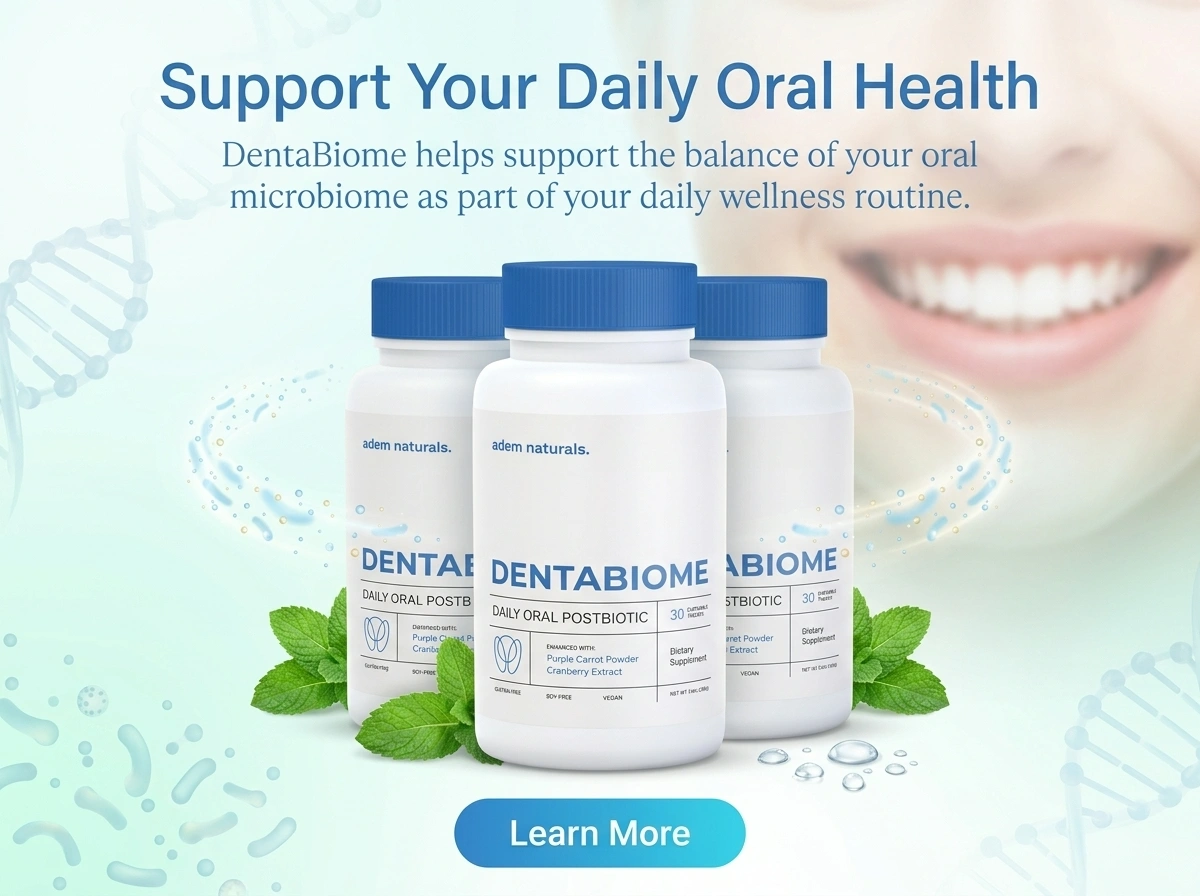
Unlike traditional probiotics, which introduce live bacteria that might not survive the harsh environment of your saliva, postbiotics deliver beneficial bacterial secretions directly with a 100% survival rate. This means your gums get immediate, target-specific support without any risk of bacterial overgrowth or bloating.
How It May Support Your Gums:
- Neutralizes Plaque Acids: Helps restore a healthy, neutral pH cycle, supporting natural enamel remineralization and soothing irritated gums.
- Reduces Bad Bacteria: Targets destructive bacteria like S. mutans (a primary cause of decay and gum irritation).
- Promotes Gum Recovery: Encourages a balanced oral microbiome, giving your body the ideal environment to heal localized swelling.
- Pure and Stable: 100% vegan, gluten-free, soy-free, and proudly manufactured in the USA in an FDA-registered, GMP-certified facility.
---
Pros and Cons of Oral Postbiotics
Understanding both sides of any oral care solution can help you make an informed decision for your health:
Pros
- High Stability: Postbiotics are unaffected by temperature, storage, or your saliva's natural enzymes, ensuring they work effectively.
- Zero Risk of Overgrowth: Because they contain beneficial secretions rather than live bacteria, they do not cause bacterial overgrowth or systemic side effects.
- Easy to Use: A delicious chewable tablet means no large pills to swallow or water required.
- Supports Overall Oral Health: Benefits not just your gums, but also helps freshen breath and protect enamel.
Cons
- Requires Consistency: Like any natural support system, you need to use it daily to maintain a balanced oral environment.
- Not a Substitute for Dental Care: It is designed to support daily hygiene and prevention, but cannot cure an active, deep dental abscess or structural tooth damage.
---
Frequently Asked Questions
Can a swollen gum heal on its own?
Yes, if the swelling is caused by minor trauma or a food particle that has since been removed. Keeping the area clean and performing warm salt water rinses can help it heal within a few days. If the swelling persists for more than a week, or is accompanied by severe pain, see your dentist.
Is localized gum inflammation always a sign of gum disease?
No. While early gum disease (gingivitis) is a common cause, localized swelling can also be caused by a minor injury, a trapped food particle, a canker sore, or an infection in the tooth's root.
Can I use mouthwash on swollen gums?
Avoid using harsh, alcohol-based mouthwashes, as they can dry out your tissues and worsen inflammation. Instead, opt for a warm salt water rinse or a gentle, alcohol-free therapeutic rinse recommended by your dental professional.
---
Summary and Next Steps
Swollen gums around one tooth can be highly uncomfortable, but with the right steps, you can find relief. Begin by gently flossing the area to rule out trapped food, followed by warm salt water rinses to soothe localized gum inflammation. Keep a close eye on your symptoms; if they worsen or show signs of infection, make sure to book an appointment with your dentist promptly.
To prevent future occurrences and support your body's natural defense systems, consider focusing on your oral microbiome. Promoting a balanced pH and nourishing your mouth with beneficial postbiotics can go a long way in keeping your teeth and gums resilient.
/images/cta-default.webp
Nourish Your Gums with DentaBiome
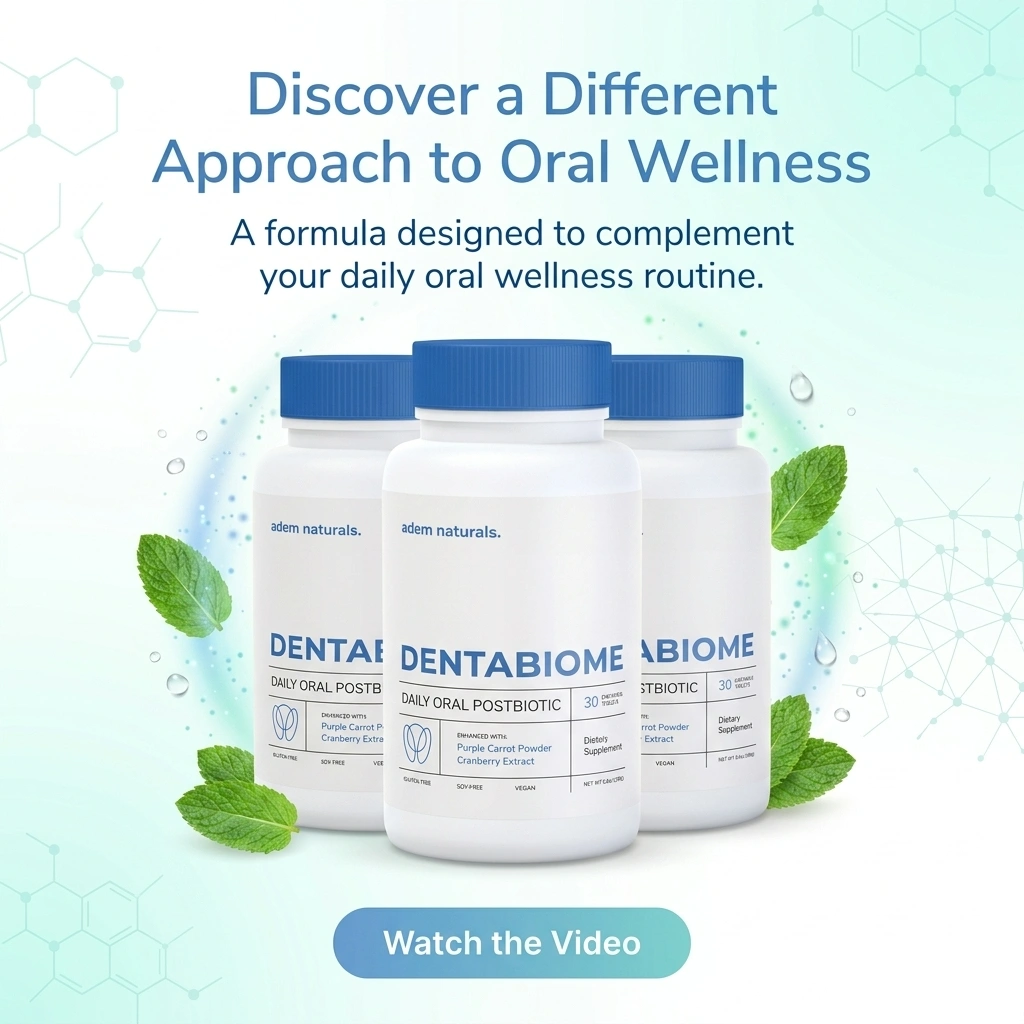
Ready to break the bacterial acid-lock and give your gums the ultimate daily support? Experience the power of the world's first oral postbiotic chewable tablet. Backed by a 100% 60-day money-back guarantee, it is a safe, delicious, and science-backed way to upgrade your oral hygiene routine.
Claim Your Supply of DentaBiome Today
---
References
1. National Institutes of Health (NIH). Gum Disease (Periodontal Disease). https://www.nidcr.nih.gov/health-info/gum-disease
2. American Dental Association (ADA). Healthy Mouth: Gingivitis and Periodontitis. https://www.mouthhealthy.org

Written by Elena Navarro
Elena writes practical nutrition guides inspired by her work with multicultural families, focusing on realistic healthy eating rather than restrictive diets.
More about the author →