How Long Does Halitosis Last? Causes, Recovery Times, and Cures
How Long Does Halitosis Last? Causes, Recovery Times, and Cures
We have all experienced that uncomfortable moment. You lean in to whisper to a friend, or you wake up next to a partner, and you suddenly realize your breath is not at its best. Bad breath, medically known as halitosis, is an incredibly common issue.
But if you are struggling with it, you likely want to know: how long does halitosis last? Is it just a temporary slip-up from lunch, or is it a sign of a deeper, long-term issue?
This guide will walk you through the recovery times for bad breath, explain why it happens, and share simple, practical ways to get your fresh breath back.
---
Key Takeaways: What Dictates Bad Breath Duration?
- Temporary bad breath usually lasts between 4 to 24 hours. It is typically caused by foods, drinks, or simple morning dryness.
- Chronic halitosis does not go away on its own. It can last for weeks, months, or years until you treat the underlying cause.
- The root cause of chronic bad breath is almost always an imbalance in your oral microbiome—the community of bacteria living in your mouth.
- Quick fixes like mints and mouthwash only mask the smell for about 20 to 30 minutes.
- Long-term recovery requires consistent oral hygiene, hydration, and restoring good bacteria in the mouth.
---
Table of Contents
1. Temporary vs. Chronic Halitosis
2. How Long Does Halitosis Last? Expected Recovery Times
3. Common Causes of Long-Lasting Bad Breath
4. How to Get Rid of Halitosis: Effective Solutions
5. Is There a Permanent Chronic Halitosis Cure?
6. Pros and Cons of Common Bad Breath Remedies
7. How Your Oral Microbiome Controls Your Breath
8. Supporting Your Oral Environment Naturally
10. Summary
---
Temporary vs. Chronic Halitosis: What Is the Difference?
To understand how long your bad breath will last, you first need to identify which type you have. Bad breath generally falls into two categories.
1. Temporary Bad Breath
This type is short-lived. It is usually triggered by external factors. When you eat garlic, drink a cup of coffee, or wake up with "morning breath," you are experiencing temporary halitosis. These smell-producing compounds eventually leave your system or are washed away by saliva.
2. Chronic Halitosis
Chronic halitosis is persistent. If you brush, floss, scrape your tongue, and still find that your breath smells bad an hour later, you may have chronic halitosis. This is not caused by your last meal. Instead, it is caused by an accumulation of smelly sulfur-producing bacteria deep inside your mouth or throat. Without active intervention, chronic halitosis can last indefinitely.
---
How Long Does Halitosis Last? Expected Recovery Times
The duration of your bad breath depends entirely on what is causing it. Here is a simple breakdown of how long you can expect different types of bad breath to last:
| Cause of Bad Breath | Estimated Duration | What Resolves It? |
|---|---|---|
| Strong Foods (Garlic, Onions) | 12 to 24 hours | Time, digestion, and metabolic breakdown |
| Morning Breath | 5 to 10 minutes | Brushing your teeth and drinking a glass of water |
| Dehydration / Dry Mouth | A few hours | Rehydration and stimulating saliva flow |
| Poor Oral Hygiene | 2 to 7 days | Consistent brushing, flossing, and tongue scraping |
| Gum Disease (Gingivitis) | Weeks to months | Professional dental cleaning and gum therapy |
| Microbiome Imbalance | Indefinite | Restoring healthy bacteria in the oral cavity |
---
Common Causes of Long-Lasting Bad Breath
If your bad breath has lasted for weeks or months, it is time to look deeper. Here are the primary culprits behind chronic halitosis:
Lack of Saliva (Dry Mouth)
Saliva is your mouth's natural defense. It constantly washes away food particles and controls bacterial growth. When your mouth is dry, bacteria thrive and multiply rapidly. This is why morning breath happens—your mouth naturally produces less saliva while you sleep.
Plaque and Tartar Build-up
When food particles are not fully cleaned away, they form a sticky film called plaque. Over time, plaque hardens into tartar. Tartar provides a perfect hiding place for smelly bacteria. This buildup can eventually lead to a bad breath gum disease link that requires professional dental care.
Diet and Microbiome Dysbiosis
Your mouth is home to billions of bacteria. Some are good, and some are bad. When you eat a diet high in sugar and processed carbohydrates, you feed the bad bacteria. These bacteria produce volatile sulfur compounds (VSCs) which smell like rotten eggs. Restoring balance is key to achieving fresh breath.
---
How to Get Rid of Halitosis: Effective Solutions
If you want to know how to get rid of halitosis, you must target the root cause rather than simply covering up the odor.
1. Clean Your Tongue Daily: The back of your tongue is a primary breeding ground for anaerobic bacteria. Use a dedicated tongue scraper instead of just brushing your tongue.
2. Stay Hydrated: Drink plenty of water throughout the day. This keeps your salivary glands active and helps wash away decay-causing microbes.
3. Floss Daily: Brushing only cleans about 60% of your teeth's surfaces. Flossing removes rotting food trapped between teeth.
4. Balance Your Oral Bacteria: Many people try to sterilize their mouths with harsh alcohol-based mouthwashes. Unfortunately, this kills the good bacteria too, often making the problem worse in the long run. Many experts now recommend introducing the best oral probiotics for halitosis to repopulate the mouth with beneficial bacteria.
---
Is There a Permanent Chronic Halitosis Cure?
Is there a single, permanent chronic halitosis cure? The honest answer is no single magic pill will cure it forever. However, you can achieve permanent relief by maintaining a balanced oral environment.
A true "cure" for chronic bad breath involves lifestyle shifts:
- Regular Dental Visits: Cleanings remove the tartar that you cannot remove at home.
- Avoid Harsh Chemicals: Stop using mouthwashes containing alcohol, which dry out the oral tissue.
- Nourish Your Body: Focus on foods that support a healthy mouth and avoid processed sugars.
---
Pros and Cons of Common Bad Breath Remedies
Before choosing a remedy, it is helpful to look at the advantages and drawbacks of popular choices:
Alcohol-Based Mouthwash
- Pros: Fast, intense burst of freshness; kills surface bacteria instantly.
- Cons: Dries out the mouth; kills beneficial bacteria; bad breath often returns worse after use.
Tongue Scrapers
- Pros: Removes physical buildup from the tongue; very inexpensive; immediate results.
- Cons: Can cause a gag reflex; does not clean between the teeth or under the gumline.
Oral Probiotics
- Pros: Targets the root cause of bad breath; supports gum health; promotes long-term fresh breath naturally.
- Cons: Takes a few days to work; requires daily consistency.
---
How Your Oral Microbiome Controls Your Breath
For decades, we were told to kill all bacteria in our mouths. We used strong toothpaste, antiseptic mouthwash, and chemicals. However, science now shows that this approach can damage our oral health.
Just like your gut, your mouth needs a delicate balance of healthy bacteria. Good bacteria keep the smelly, sulfur-producing bacteria in check. When the good bacteria are wiped out, the bad bacteria take over, leading to persistent, chronic bad breath, yellowing teeth, and sensitive gums.
To truly resolve halitosis, you must stop treating your mouth like a sterile zone and start treating it like a living ecosystem.
---
Supporting Your Oral Environment Naturally
If you want to support your teeth, gums, and breath naturally, consider adding a targeted probiotic supplement to your daily routine.
One unique solution designed for this exact purpose is ProDentim. Unlike traditional dental products that contain harsh chemicals, ProDentim is a chewable tablet designed to repopulate your mouth with 3.5 billion good bacteria.
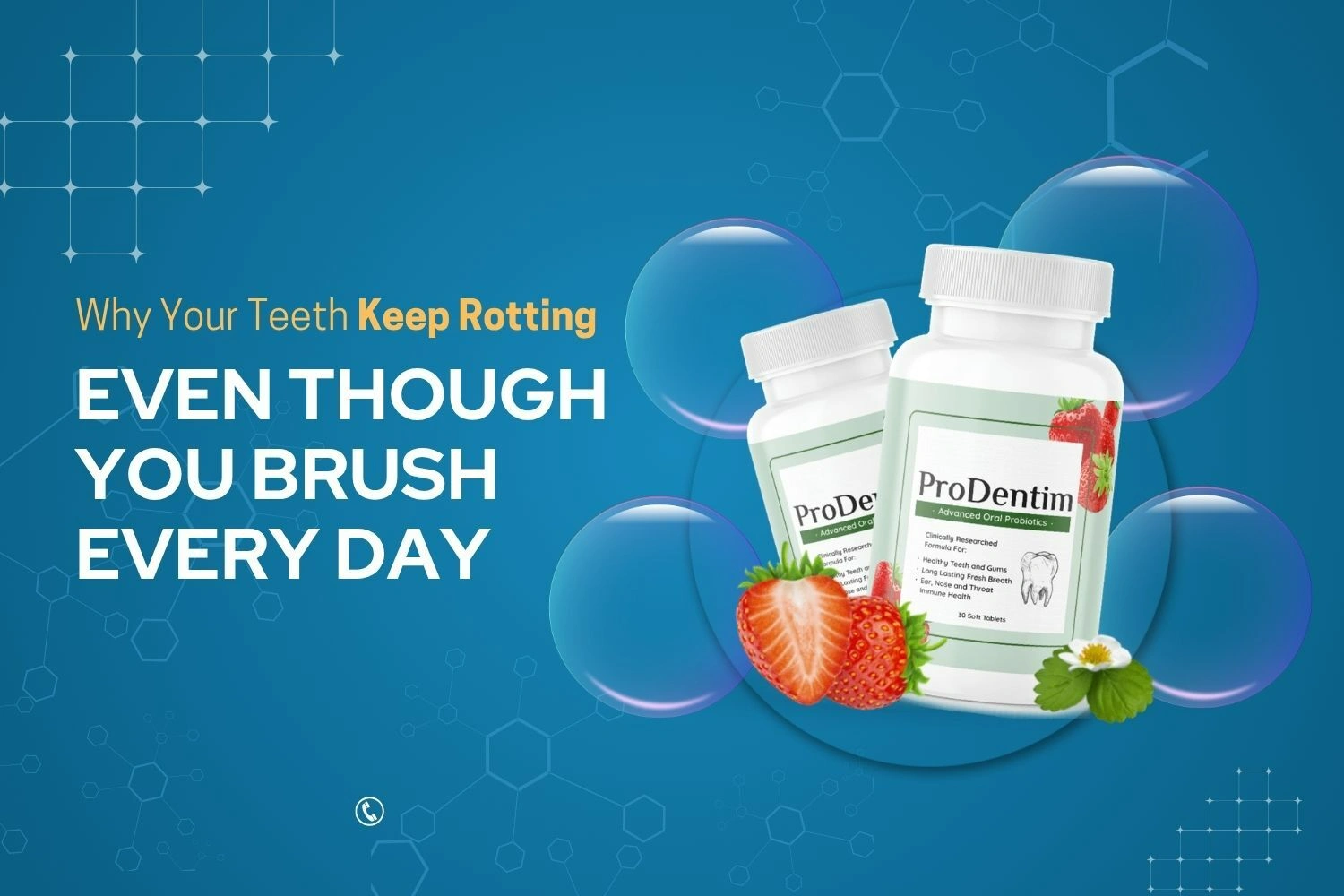
By introducing beneficial strains like Lactobacillus Paracasei and Lactobacillus Reuteri, ProDentim may help support the health of your gums, reduce unwanted inflammation, and keep your breath naturally fresh. It is 100% natural, non-GMO, and backed by a 60-day money-back guarantee.
If you are tired of masking your bad breath and want to support your oral health from the inside out, ProDentim could be the natural step you need.
👉 Click Here to Try ProDentim and Claim Your 60-Day Money-Back Guarantee
---
Frequently Asked Questions
How long does morning breath last?
Morning breath typically lasts until you brush your teeth, floss, or drink a large glass of water. Once your saliva flow returns to normal and you remove overnight bacterial buildup, the smell should disappear within minutes.
Can drinking water cure bad breath?
Drinking water can help cure temporary bad breath caused by dehydration or dry mouth. Water washes away loose food particles and stimulates saliva production. However, water alone will not cure chronic halitosis caused by gum disease or deep bacterial imbalances.
When should I see a dentist for bad breath?
If your bad breath has lasted for more than two weeks despite daily brushing, flossing, and tongue scraping, you should see a dentist. It could be a sign of an underlying issue like gum disease, tooth decay, or a medical condition.
Does mouthwash actually cure halitosis?
Most commercial mouthwashes only mask bad breath for 20 to 30 minutes. Those containing alcohol can dry out your mouth, which actually encourages the growth of more smelly bacteria over time.
---
Summary
How long halitosis lasts depends entirely on its source. Temporary bad breath caused by dietary choices or mild dehydration usually resolves within 24 hours. Chronic halitosis, however, is a persistent warning sign that your oral microbiome is out of balance.
By practicing consistent hygiene, staying hydrated, and nurturing beneficial bacteria in your mouth, you can enjoy clean teeth, healthy gums, and naturally fresh breath that lasts.
---
References
1. National Institutes of Health (NIH): Bad Breath (Halitosis) Overview. [1]
2. Journal of Clinical Periodontology: The Role of Oral Microbiota in Halitosis. [2]
3. World Journal of Gastroenterology: Diagnostic and Treatment Protocols for Chronic Halitosis. [3]

Written by Marcus
Marcus helps busy families eat healthier without restrictive diets. His evidence-based articles focus on sustainable habits rather than quick fixes.
More about the author →