Exercise for Mental Health: How Movement Alleviates Stress and Anxiety
Exercise for Mental Health: How Movement Alleviates Stress and Anxiety
Modern life can feel overwhelming. Between family demands, work deadlines, and the natural changes that come with getting older, stress and anxiety can easily take a toll on your mind.
While we often hear about physical activity as a tool for weight loss or heart health, its most immediate power may lie in how it treats your mind. Regular exercise is a highly effective, natural way to ease anxiety, clear mental fog, and lift a heavy mood.
This guide explains how movement acts as a shield for your mental well-being. We will explore simple, practical ways to bring the healing power of activity into your daily routine, even if you are starting from scratch.
---
Key Takeaways
- Reduces Stress Hormones: Regular movement lowers your body's level of cortisol, the primary stress hormone.
- Triggers Happy Chemicals: Exercise releases endorphins, which act as natural mood lifters and pain relievers.
- Improves Sleep Quality: Physical activity helps regulate your sleep patterns, which directly reduces daily anxiety.
- Builds Mental Resilience: Regular workouts teach your brain and nervous system how to handle physical and emotional pressure more effectively.
- Simple to Start: You do not need to run marathons. Just 20 to 30 minutes of moderate movement a day can make a visible difference.
---
Table of Contents
1. The Science of Movement: How Exercise Changes Your Brain
2. Direct Mental Benefits of Physical Activity
3. Choosing the Right Fitness for Stress Relief
4. Creating a Realistic Routine After 40
5. Pros and Cons of Gym vs. Home Workouts
7. Summary
---
The Science of Movement: How Exercise Changes Your Brain
To understand why exercise is so powerful for your mental state, we have to look inside the brain. Physical activity is not just a distraction; it changes your brain chemistry in several beneficial ways.
Endorphins and Mood Improvement
When you engage in physical activity, your brain releases chemicals called endorphins. These are often called "feel-good" chemicals. They act as natural pain relievers and stress reducers, producing a mild, pleasant feeling of relaxation. This process plays a vital role in mood improvement.
Reducing Stress Hormones
When you are stressed, your body produces high levels of cortisol and adrenaline. While these hormones are helpful in short-term emergencies, chronic stress keeps them elevated, leading to anxiety, sleep issues, and high blood pressure. Some studies suggest that regular, moderate exercise helps your body manage these hormone levels, bringing them back into a healthy balance [1].
Enhancing Brain Plasticity
Exercise supports the growth of new brain cells and strengthens connections between them. It encourages the release of a protein called BDNF (Brain-Derived Neurotrophic Factor). BDNF helps protect your brain from the damaging effects of long-term stress, keeping your mind sharp and resilient.
---
Direct Mental Benefits of Physical Activity
Adding physical activity to your lifestyle does more than just lower stress markers on a lab test. It transforms how you feel on a daily basis.
- Better Sleep: Anxiety and stress often keep us awake at night. Exercise helps tire your body naturally, promoting deeper, more restorative sleep.
- Increased Self-Esteem: Meeting small movement goals—like walking an extra block or completing a gentle stretch routine—builds a sense of personal achievement.
- A Healthy Distraction: When you focus on your breathing, your footsteps, or the weight in your hands, you break the cycle of negative thoughts.
- Social Interaction: Group fitness classes, walking clubs, or active family gatherings help prevent isolation, which is a major contributor to depression.
 Walking path in sunny park 202607161902 optimized
Regular walks in natural sunlight can boost your vitamin D levels and further reduce daily anxiety.
---
Choosing the Right Fitness for Stress Relief
You do not need to lift heavy weights or push yourself to exhaustion to experience these benefits. The best workout is the one you actually enjoy and can do consistently.
| Activity Type | Effort Level | Primary Mental Health Benefit | Ideal For |
|---|---|---|---|
| Brisk Walking | Low to Moderate | Reduces nervous energy, clears mental fog | Beginners, mid-day breaks |
| Strength Training | Moderate to High | Builds confidence, releases deep physical tension | Joint support, bone health |
| Yoga / Stretching | Low | Calms the nervous system, deepens breathing | Stress relief before bed |
| Swimming | Moderate | Provides rhythmic, meditative sensory relaxation | Low-impact joint care |
Aerobic Exercise
Activities like brisk walking, cycling, or swimming raise your heart rate and increase blood flow to the brain. This type of cardiovascular effort is highly effective for immediate stress relief.
Mind-Body Practices
Practices like Yoga, Tai Chi, and Pilates combine movement with deep, focused breathing. This combination helps activate the parasympathetic nervous system, which acts as your body’s natural brake pedal to stop the "fight-or-flight" stress response.
---
Creating a Realistic Routine After 40
As we reach age 40 and beyond, our bodies change. High-intensity workouts might feel harder on your joints, and recovery can take longer. The goal should be longevity, consistency, and joy.
Here are some simple tips to build a lasting routine:
1. Start Small: Five to ten minutes of stretching or walking is infinitely better than zero. Gradually build up to 20 or 30 minutes.
2. Make it Social: Involving your loved ones is a wonderful way to stick to your goals. Taking part in family fitness activities not only helps keep you accountable, but it also builds happy, healthy habits with your children and grandchildren.
3. Listen to Your Body: If you feel pain, slow down. Movement should make you feel energized, not completely exhausted.
4. Schedule It: Treat your physical activity like an important appointment with your doctor. Put it on your calendar.
---
Pros and Cons of Gym vs. Home Workouts
Finding the right environment for your exercise is just as important as the activity itself. Here is a quick look at the advantages and challenges of each option:
Gym Workouts
- Pros: Access to a wide variety of equipment, professional guidance from trainers, and a supportive community of like-minded people.
- Cons: Can be expensive, requires travel time, and may feel intimidating for beginners.
Home & Outdoor Workouts
- Pros: Completely free, private, highly flexible, and can be done at any time that fits your schedule.
- Cons: Requires self-discipline, offers limited equipment, and lacks immediate access to professional safety guidance.
---
Frequently Asked Questions
How long does it take for exercise to improve my mood?
You can often feel a positive difference in your mood after just a single, 20-minute session of moderate physical activity. Over the course of several weeks, a regular routine can lead to lasting improvements in your overall anxiety levels.
What if I am too tired or stressed to exercise?
When you are exhausted, high-intensity workouts are not the answer. Instead, try a very gentle 10-minute walk or some light stretching. Most people find that light movement actually restores their energy levels rather than draining them.
Can exercise replace therapy or medical treatment for anxiety?
Physical activity is a highly effective, complementary tool for managing stress and mild anxiety, but it is not designed to replace professional medical treatment. If you are struggling with severe depression or debilitating anxiety, it is essential to consult a qualified healthcare provider.
---
Summary
Exercise is one of the most accessible, natural ways to care for your mental health. By making small, regular movements a part of your daily life, you can actively lower stress, raise your spirits, and protect your mind as you age.
Remember, you do not have to follow a perfect, strenuous routine to feel better. Simply step outside, take a deep breath, and start moving at a pace that feels good for you. Your body and your mind will thank you.
---
References
1. Harvard Health Publishing: Exercising to Relax and Lower Stress [https://www.health.harvard.edu/staying-healthy/exercising-to-relax]
2. Mayo Clinic: Depression and Anxiety: Exercise Eases Symptoms [https://www.mayoclinic.org/diseases-conditions/depression/in-depth/depression-and-exercise/art-20046495]
3. National Institutes of Health (NIH): Physical Activity and Mental Health Benefits [https://www.ncbi.nlm.nih.gov/pmc/articles/PMC4747333/]
---
 A smiling family taking a joyful walk together outdoors
Ready to bring more movement into your household? Start building healthy, happy routines together today!
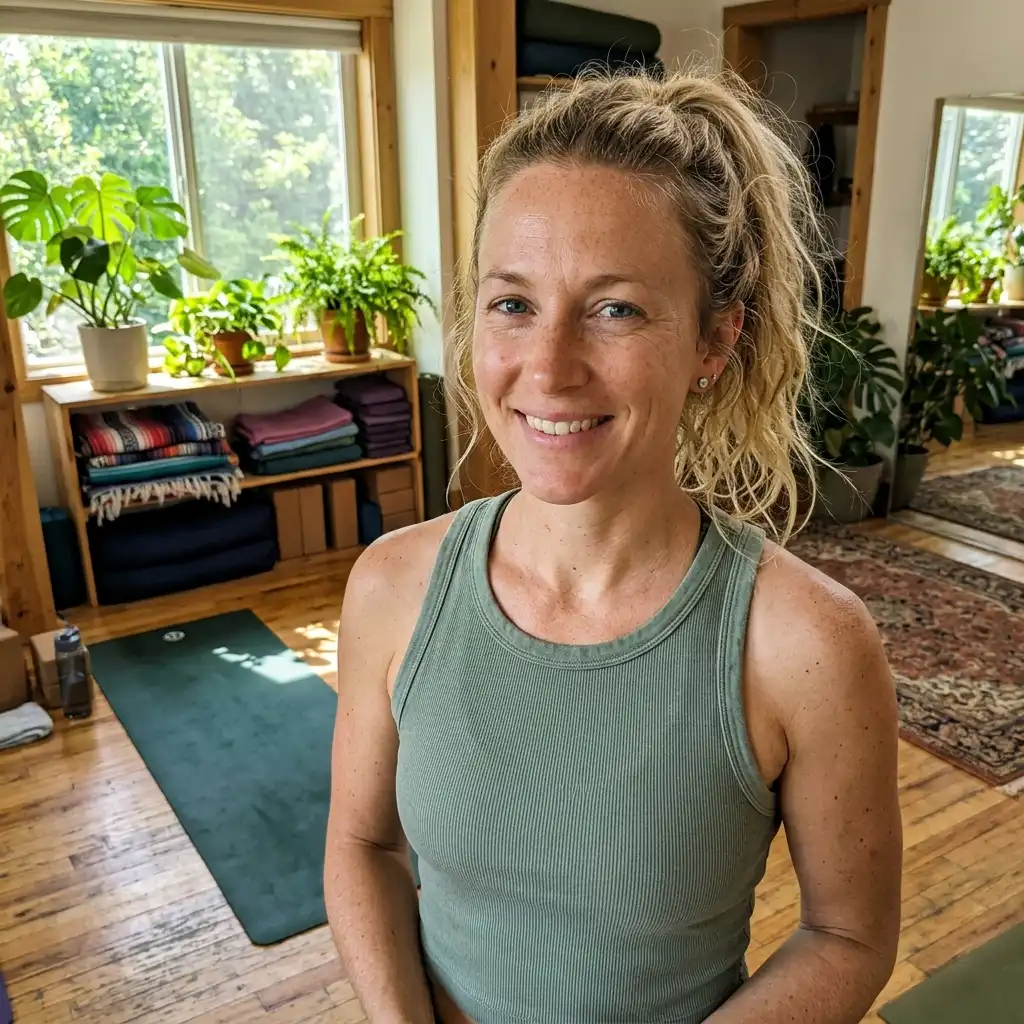
Written by Claire Donnelly
Claire teaches yoga and wellness workshops across New England while writing about sustainable habits that improve physical and mental well-being.
More about the author →